
Video production in Toronto
Vetted Toronto crews, booked from anywhere.
Spexster gives brands what a Toronto production company provides: vetted local crew, a dedicated project manager, contracts and secure payment, with the transparency of seeing exactly who you are hiring. Browse Toronto talent by craft below, or send a brief and our White Glove team staffs the shoot.
Hire by craft
Crews in Toronto
 White Glove sourcingVideographers in TorontoEvents, brand films, social and corporate video.
 White Glove sourcingCinematographers in TorontoDirectors of photography for commercial and narrative work.
 White Glove sourcingPhotographers in TorontoCommercial, product, event and corporate photography.
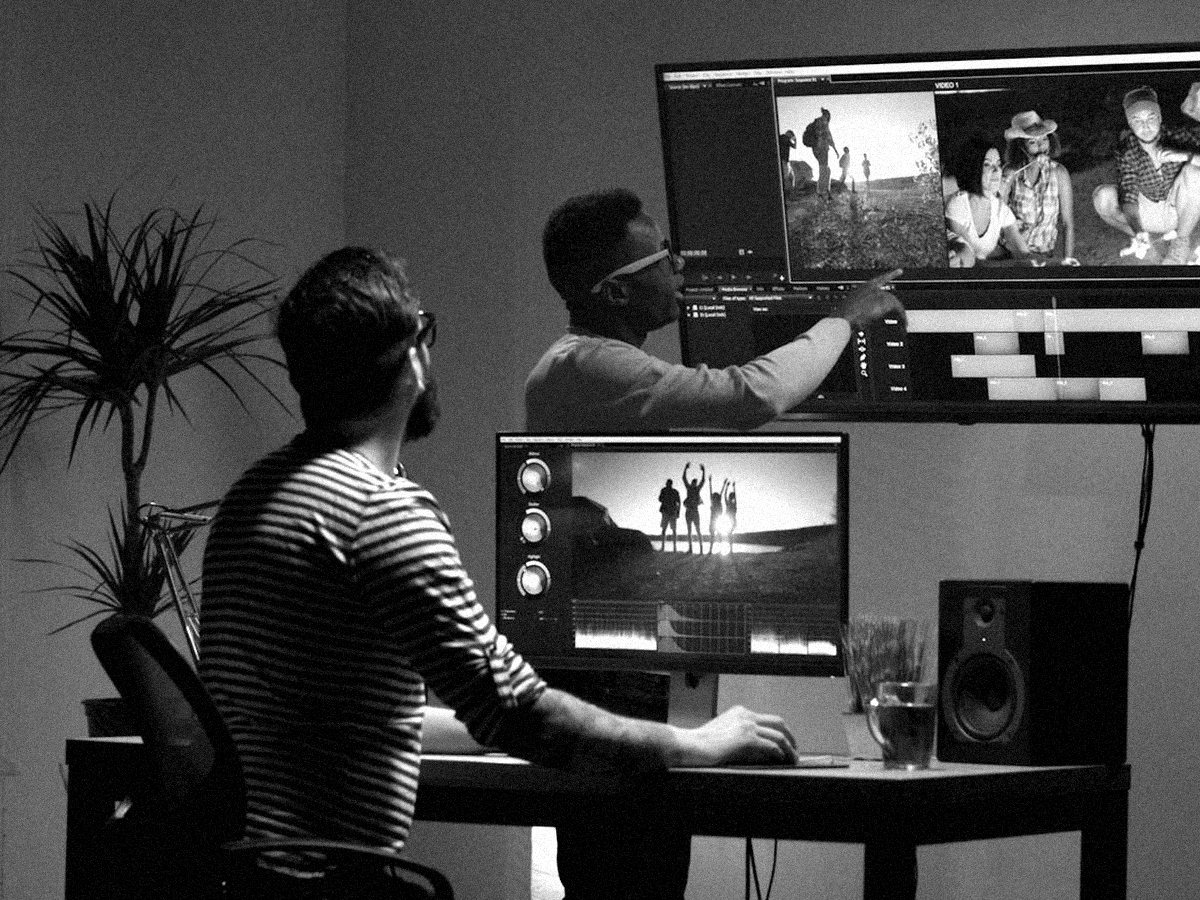 White Glove sourcingVideo Editors in TorontoPost-production for brand, social and corporate video.
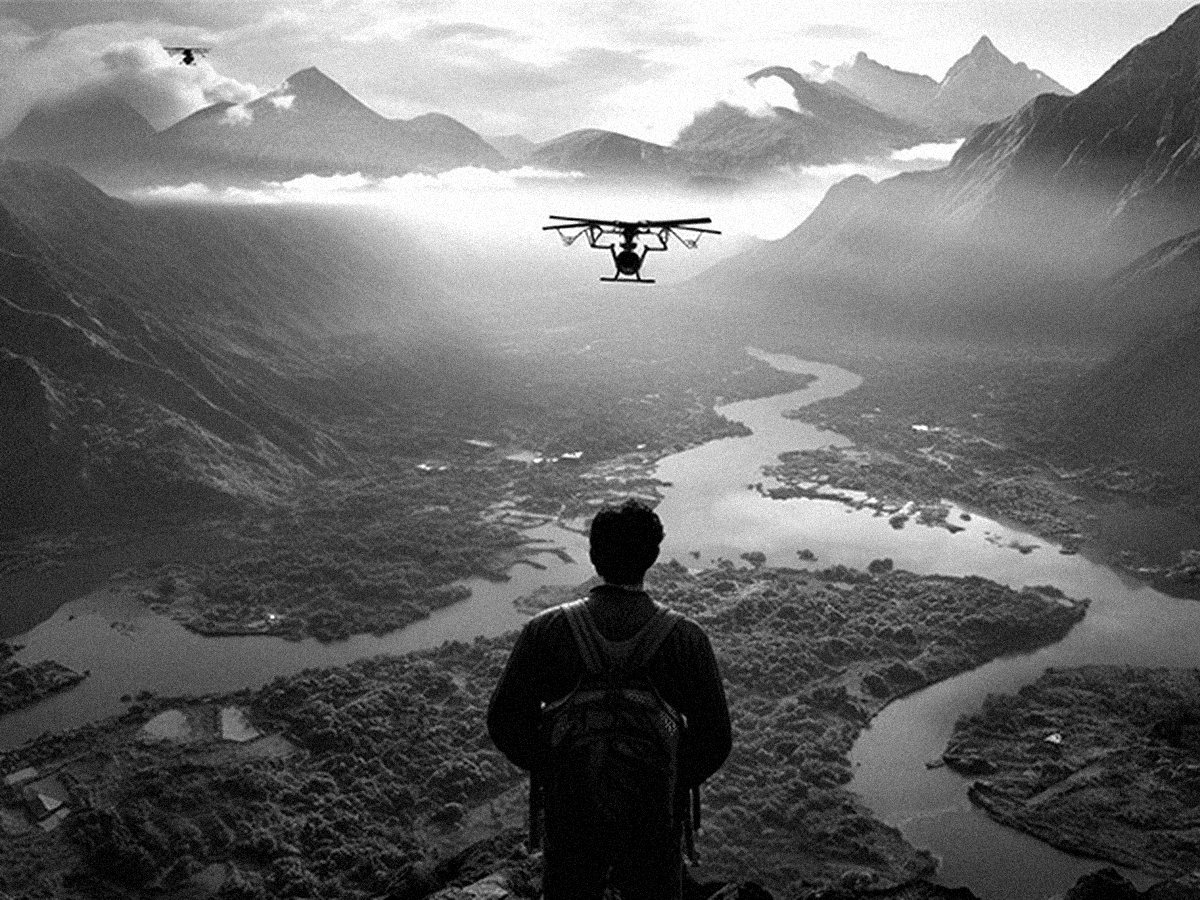 White Glove sourcingDrone Operators in TorontoLicensed aerial video and photography.
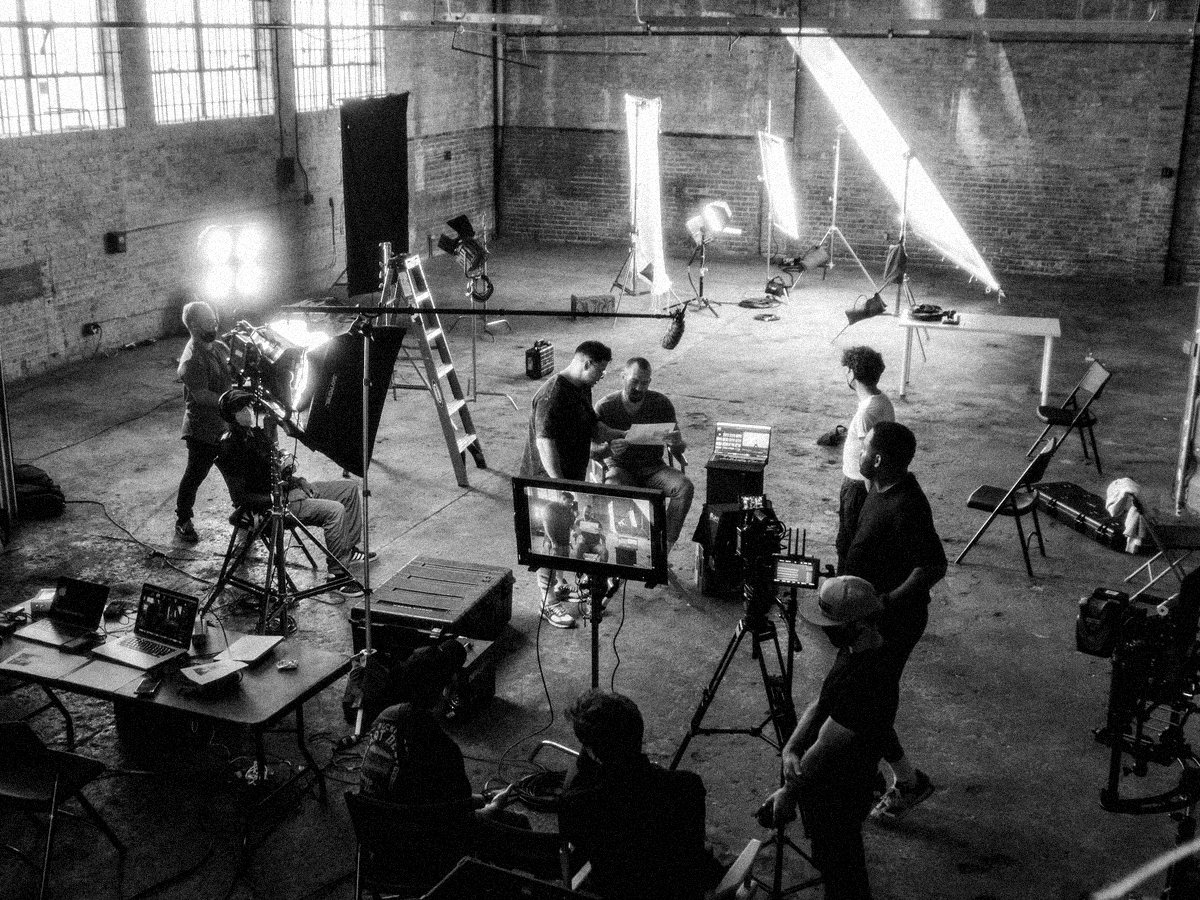
Full crew
Need more than one role?
Director, DP, sound, lighting and post, assembled and managed through White Glove.
Send a brief
The Toronto production scene
What a brand should know before shooting in Toronto
Toronto runs one of the quickest permit desks you will deal with and, by its Film Office's count, 2.5 to 3 million square feet of studio space. For a brand shoot the practical points are: private-property work between 7 a.m. and 11 p.m. needs no permit; City property needs one, usually within two full business days; Ontario's tax credits exclude advertising; and US brands should budget for 13% HST.
Film permits from the Toronto Film Office
Filming on City of Toronto property (streets, sidewalks, parks and civic squares) needs a permit from the Toronto Film Office at City Hall, applied for through its FilmPal web portal. If every part of your day, including production vehicle parking, is on private property between 7 a.m. and 11 p.m., no permit is required. Work between 11 p.m. and 7 a.m. needs a permit and a Guideline Exemption even on private property, and effects, fire or simulated gunfire need Police and Fire approvals wherever you are.
The permit types that matter to a brand shoot, as the Film Office describes them:
- Grid permit for roving exterior b-roll, stand-up interviews and driving shots on the right-of-way: no more than an hour at any one site, no parks, no parking privileges, no drones.
- Location permit when you are on City property for more than an hour or using City streets to support a private-property shoot. Parks permit for City parks. Scouting permit, free, for scouts and camera tests.
- Fees for commercials and documentaries, per the current schedule: production registration $100, grid $100, location $150, parks $200, road closure or rush-hour filming $500. Parking meters and City staff overtime are billed at cost on top.
- Lead time: a minimum of two full business days, not counting the day of submission, for a standard permit; three to four for parks; seven days for effects or firearms; ten business days for hydrant use.
- Insurance of $2,000,000 per occurrence naming the City of Toronto as additional insured; written notice to affected residents and businesses at least 48 hours before arrival.
The Film Office describes its service as "the continent's fastest" in its own words; the two-business-day standard is the number to plan around. Drone operations are regulated by Transport Canada, and federal approvals go to your Film Permit Coordinator with the application.
Ontario's tax credits are not for ad work
The Ontario Production Services Tax Credit, administered by Ontario Creates, refunds 21.5% of qualifying Ontario spend and is open to foreign-owned companies with an Ontario presence. It also requires a production cost above $1 million and lists "advertising or a production produced primarily for industrial, corporate or institutional purposes" as an excluded genre. A brand commercial, a corporate video or a social content shoot does not qualify. The credit matters to you because it is part of why the crew base and the studios exist.
What the crew depth means when you hire here
The Toronto Film Office cites a workforce of 40,000 and roughly 2.5 to 3 million square feet of studio space (its pages give both figures), built on long-form series and features. That means camera, lighting, sound, art and post professionals who work at a network standard and live locally, and who are used to the city doubling for New York, Chicago, Boston and Washington, as the Film Office puts it. You can hire a vetted Toronto videographer for a one-day shoot, or a DP and crew for a brand film.
For US brands: Ontario's HST is 13% and vendors will quote in Canadian dollars. Through White Glove, contracts and escrow payment run through Spexster, so you deal with one invoice.
Planning a Toronto shoot: the short checklist
- Decide whether any part of the day touches City property, including where the vehicles park. If not, between 7 a.m. and 11 p.m., no permit.
- Register the production and file at least two full business days out; three to four if a park is involved.
- Write the brief first. Deliverables, run times, platforms, dates, locations and who approves the cut.
- Settle usage rights, delivery formats and revision rounds in writing, and agree the currency.
- Hold a 30-minute technical briefing between your team and the crew lead before the shoot day.
Prefer not to run any of this yourself? Through White Glove, a dedicated project manager handles crew sourcing, technical briefings, contracts, scheduling, logistics and secure escrow payment for your Toronto project, included at no additional fee.
How hiring works
Two ways to crew a Toronto shoot
Step 1
Post a job or send a brief
Share the dates, location, deliverables and budget range. Vetted Toronto creatives apply, or White Glove shortlists for you.
Step 2
Review vetted talent
Every professional on Spexster is vetted before appearing: a real, working professional whose portfolio, credits and professional presence have been reviewed. No paid placement.
Step 3
Hire, with the admin handled
Contracts run through the platform and payment runs through secure escrow, released when the work is delivered. With White Glove, a dedicated project manager runs the production end to end at no extra fee.
Frequently asked questions
Does Spexster work like a video production company in Toronto?
Spexster gives you what a production company provides — vetted crew, project management, contracts, and delivery — with the transparency of a marketplace. You see who you're hiring, rates are clear and upfront, and a dedicated project manager runs the production end to end.
Can Spexster source a full film crew in Toronto?
Yes. Tell us the roles you need — or just describe the project and we'll scope the crew for you. Spexster sources, vets, contracts, and coordinates the full team, with escrow payment protecting every engagement.
Do I need a Toronto film permit for a shoot on private property?
Not if all filming activity, including production vehicle parking, stays on private property between 7 a.m. and 11 p.m. Overnight work, effects, fire or simulated gunfire need permits and approvals even on private property, and the moment a vehicle or a tripod is on a City street or sidewalk you need a grid or location permit.
How long does a Toronto film permit take?
The Film Office issues a standard permit in a minimum of two full business days, not counting the day you submit; three to four business days if a City park is involved, seven days for special effects or firearms, and ten business days for hydrant use. Fees for commercials start at $100 for registration and $150 for a location permit.
Can Spexster handle a shoot in Toronto if I'm not based there?
Yes — that's our specialty. Spexster coordinates remote productions worldwide, including live remote video villages so you can direct and give real-time feedback from anywhere. US and international brands regularly run Toronto shoots through Spexster without traveling.
Related pages
Crews here
Hire by craft in Toronto
Other cities